
wiinj (Fire)
Interpretive signage along the Country theme
wiinj (Fire)
ALISON
Firestick?
More
This is just placeholder text. Don’t be alarmed, this is just here to fill up space since your finalised copy isn’t ready yet. Once we have your content finalised, we’ll replace this placeholder text with your real content.
Signage Text
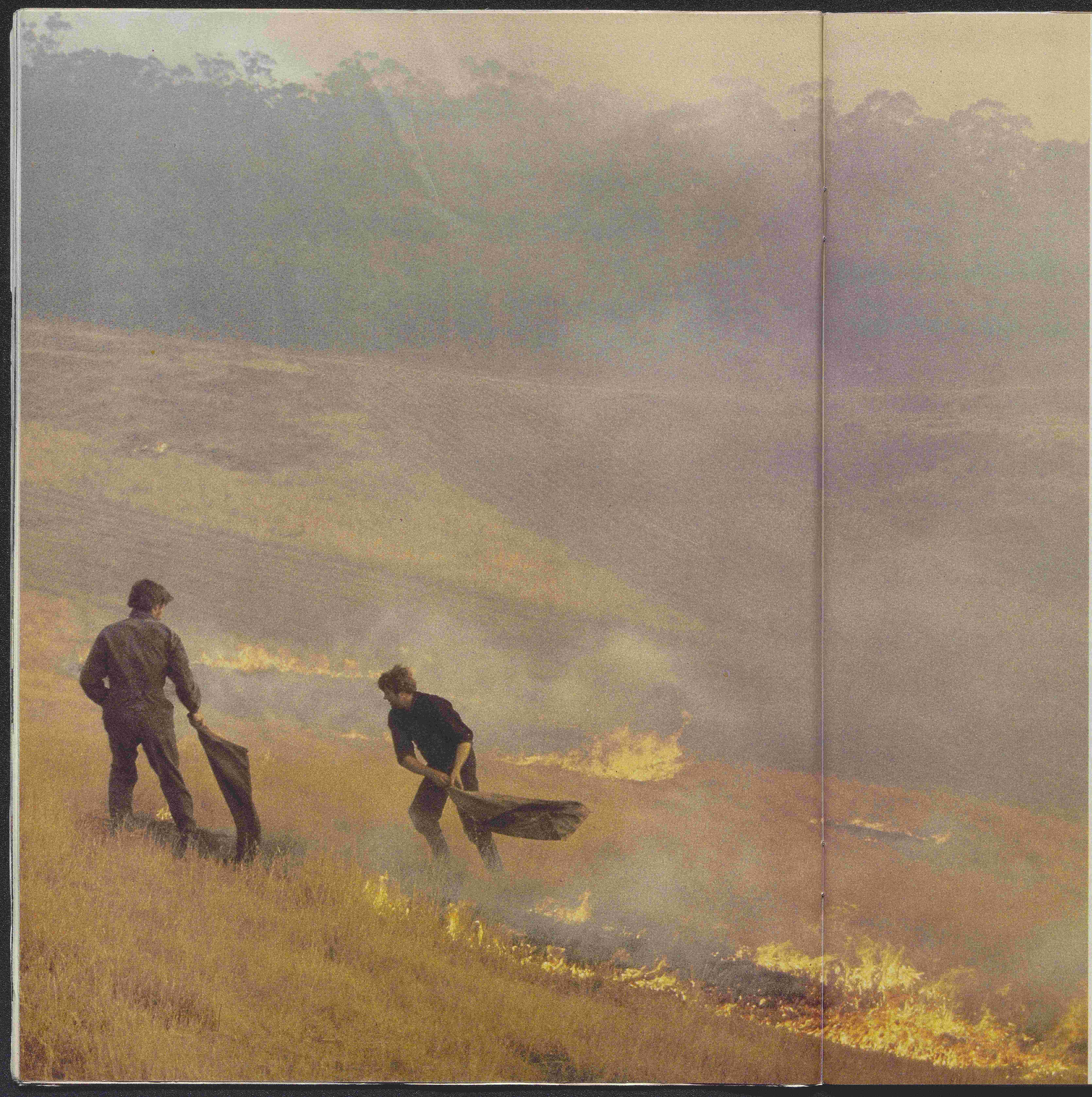
“We have lost in excess of 100 homes. The Sherbrooke College, Belgrave Heights convention centre and the Cockatoo fire station are all gone.”
The Age, 17 February 1983
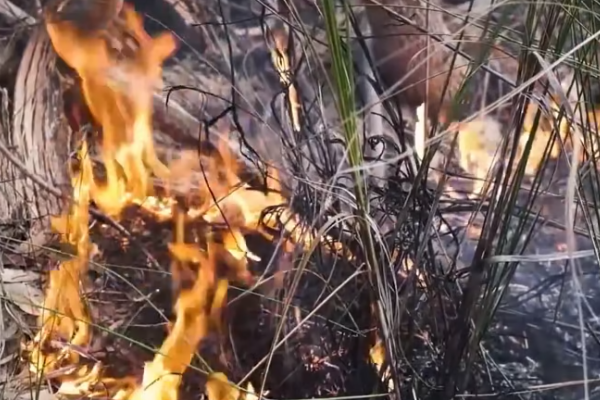
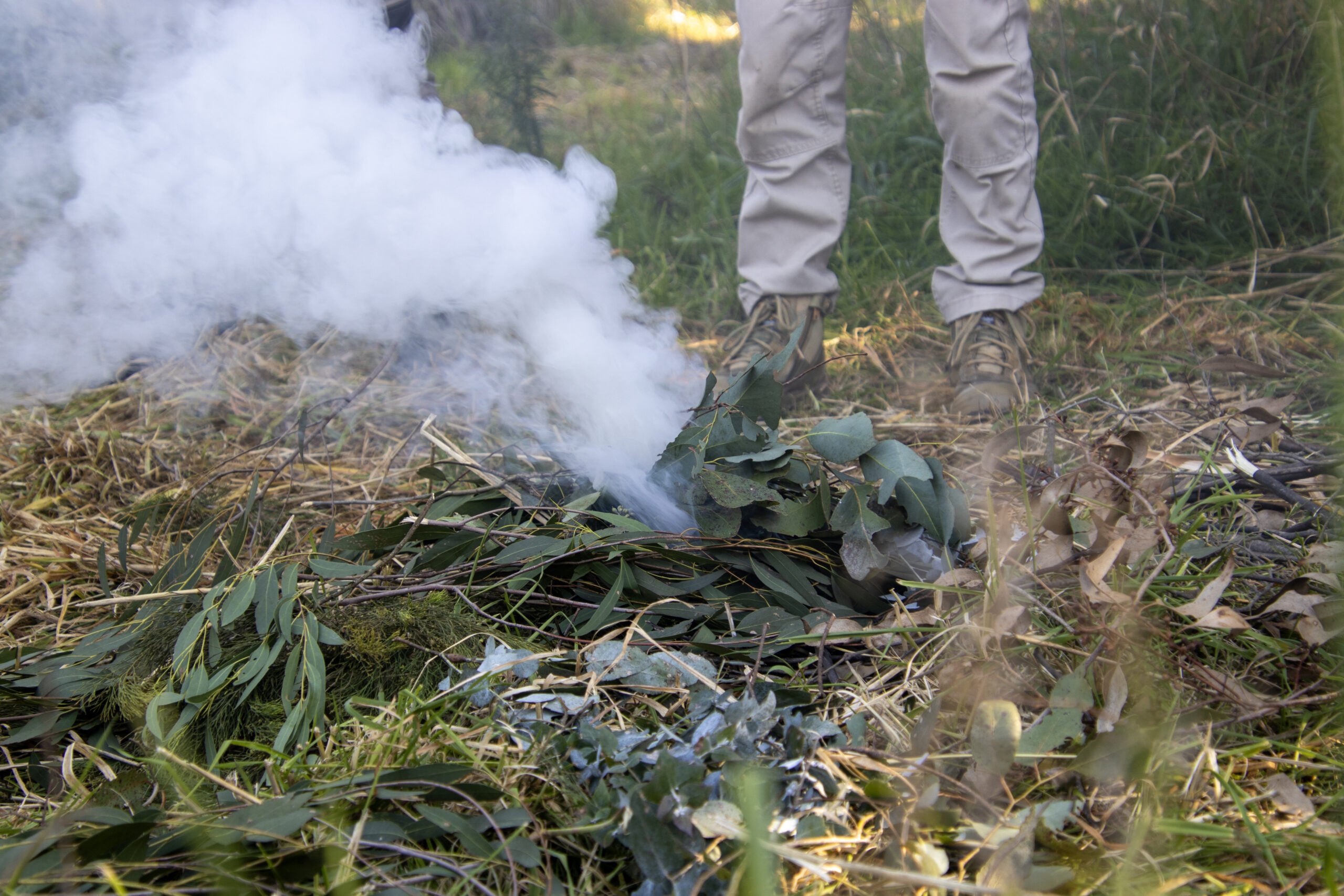
Wiinj (Fire) is a powerful force. It can cause destruction and devastation, yet also produce warmth and comfort, and even help to generate new life. The Wurundjeri woiwurrung people recognise wiinj as a fundamental element of the landscape from time immemorial, and their intimate and innate understanding of the land allows them to harness this dangerous yet essential natural element. Wurundjeri woiwurrung people use wiinj as a controlled, environmental management tool to regenerate life, renew soil, and clear the bush floor of any potentially harmful debris.
The most devastating fire to hit the Dandenong Ranges started in Birdsland Reserve and was just one of many huge fires that burned across Victoria and South Australia on Ash Wednesday in 1983. The community was unprepared and exposed to the fire, which lasted 12 hours and burned over 9,000 hectares. More than 200 homes were lost and 21 people died. This disaster has made a significant mark on the Dandenong Ranges community and Australia at large, recognised as one of the most fatal bushfires nationwide. Fire, both essential and destructive, remains a defining feature of the Dandenong Ranges landscape
wiinj (Fire)
You can find this sign along XXXXX
More
This is just placeholder text. Don’t be alarmed, this is just here to fill up space since your finalised copy isn’t ready yet. Once we have your content finalised, we’ll replace this placeholder text with your real content.
Sometimes it’s nice to put in text just to get an idea of how text will fill in a space on your website.