The Impressionists
Interpretive signage along the Ways of Seeing theme
The Impressionists
“Any effect of nature which moves us strongly by its beauty, whether strong or vague in its drawing, defined or indefinite in its light, rare or ordinary in colour, is worthy of our best efforts and of the love of those who love our art. Through and over all this we say we will do our best to put only the truth down, and only as much as we feel sure of seeing.”
Tom Roberts, Arthur Streeton and Charles Conder, Manifesto, 1889[1]
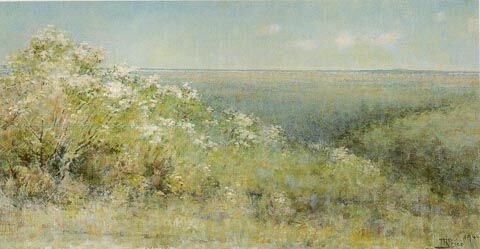
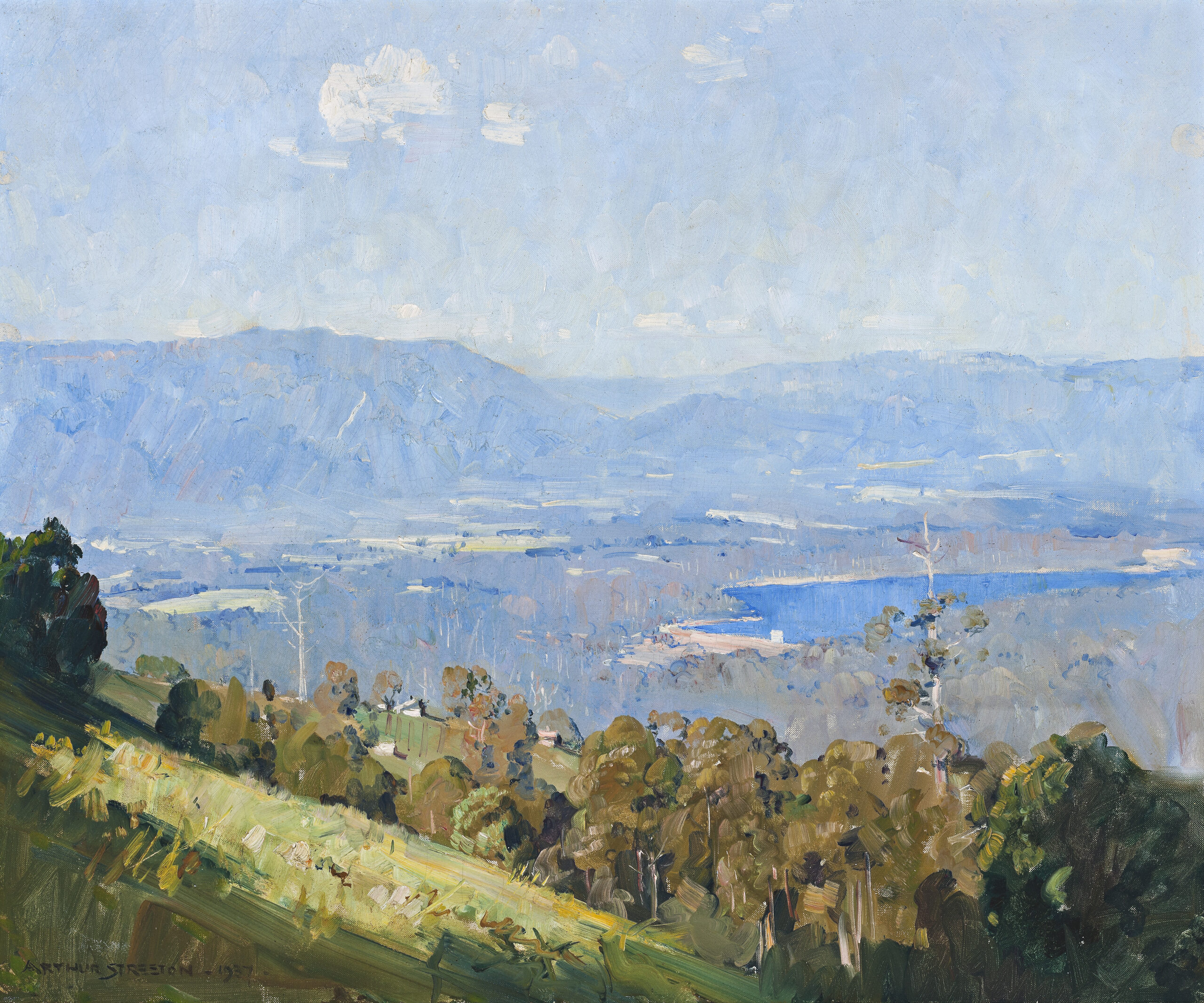
Australian Impressionism, or the Heidelberg School as it came to be known, was an art movement inspired by the works of a group of artists who began painting outside, in and around the Dandenong Ranges. Inspired by the French Impressionists, artists of the Heidelberg School took advantage of the newly extended railway system in the 1880s to travel to artist camps and sketching grounds where they focused on painting naturalistic landscapes with an emphasis on light and shadow using blue and gold hues. In 1889, they established a hilltop camp at Eaglemont, with Arthur Streeton taking artist possession of an 8-10 room homestead on the summit of Eaglemont hill, offering views over the Yarra valley[2]. The camps of the Heidelberg School are now enshrined in the mythology of the nation.
Of course, art is always in ‘the eye of the beholder’ and for the artists, in how they see and portray their subject matter to the audience. The artists associated with the camps of the Heidleberg School — including Tom Roberts, Arthur Streeton, Charles Condor, Frederick McCubbin, Jane Sutherland, Clara Southern and Jane Price[3] — became synonymous with a national style of painting in Australia, with evocative landscapes and large-scale paintings of rural figures in the bush. Yet it was a way of seeing the landscape and people which omitted any reference to First Nations people.[4] Today, we continue to celebrate the work of the Australian Impressionists and their vision of Australia in the late 1800s, while acknowledging the historical and cultural differences between the past and present ways of seeing.
As you continue on the ngurrak barring trail, you’re invited to further explore the deep cultural and creative history of the Dandenong Ranges through five key themes: Ways of Seeing, Community, Activism, Resilience and Country.
ngurrak barring acknowledges the Wurundjeri people as the Traditional Owners and Custodians of these lands and waterways. We pay our respects to all Elders, past, present, and emerging, who have been, and always will be, integral to the story of our region.
[1] https://www.nma.gov.au/defining-moments/resources/9-by-5-exhibition
[2] https://themccorrycollection.com/tmc/db/development-of-early-australian-impressionism/
[3] https://www.emelbourne.net.au/biogs/EM00705b.htm
[4] https://www.tate.org.uk/art/art-terms/h/heidelberg-school
Arthur Streeton, Observatory Road, Kalorama Park, Looking Towards Silvan, 1937. Oil on canvas. 62.5 x 75.5cm. (Source: Deutscher and Hackett)
More
This is just placeholder text. Don’t be alarmed, this is just here to fill up space since your finalised copy isn’t ready yet. Once we have your content finalised, we’ll replace this placeholder text with your real content.
Signage Text
“Any effect of nature which moves us strongly by its beauty, whether strong or vague in its drawing, defined or indefinite in its light, rare or ordinary in colour, is worthy of our best efforts and of the love of those who love our art. Through and over all this we say we will do our best to put only the truth down, and only as much as we feel sure of seeing.”
Tom Roberts, Arthur Streeton and Charles Conder, Manifesto, 18891
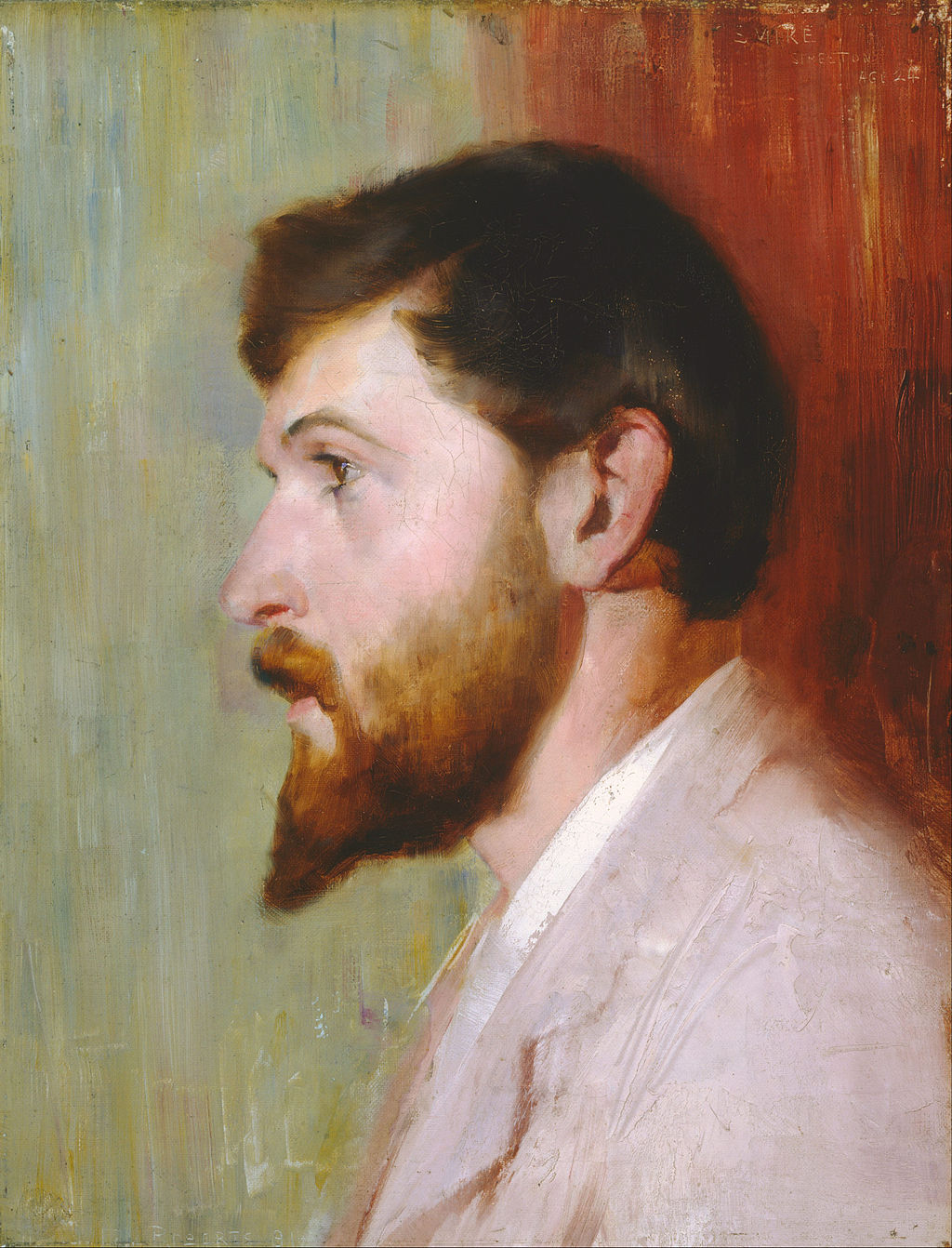
Australian Impressionism, or the Heidelberg School as it came to be known, was an art movement inspired by the works of a group of artists who began painting outside, in and around the Dandenong Ranges. Inspired by the French Impressionists, artists of the Heidelberg School took advantage of the newly extended railway system in the 1880s to travel to artist camps and sketching grounds where they focused on painting naturalistic landscapes with an emphasis on light and shadow with lots of blue and gold hues. Artists associated with this school include Tom Roberts, Arthur Streeton and Frederick McCubbin, as well as Jane Sutherland, Clara Southern and Jane Price.
Works produced during this time include evocative landscapes and large-scale paintings of rural figures in the bush. These works appealed to the growing nationalistic sentiment and became recognised as distinctly Australian, despite omitting any reference to First Nations people.
Signage Name
This sign is located along XXXXXXXX trail
More
This is just placeholder text. Don’t be alarmed, this is just here to fill up space since your finalised copy isn’t ready yet. Once we have your content finalised, we’ll replace this placeholder text with your real content.
Sometimes it’s nice to put in text just to get an idea of how text will fill in a space on your website.